OZ ARMOUR
OZ ARMOUR Cowhide Beekeeping Gloves Short Cuff
OZ ARMOUR Cowhide Beekeeping Gloves Short Cuff
Couldn't load pickup availability
Sting Protection, Breathable Mesh, All Day Comfort
Leather beekeeping gloves have stuck around as long as beekeeping has, and there's a reason. Nothing else combines sting resistance, durability, and the ability to feel what you're doing at once. The problem is that by mid inspection on a warm day, your hands are soaked and you're rushing to get them off.
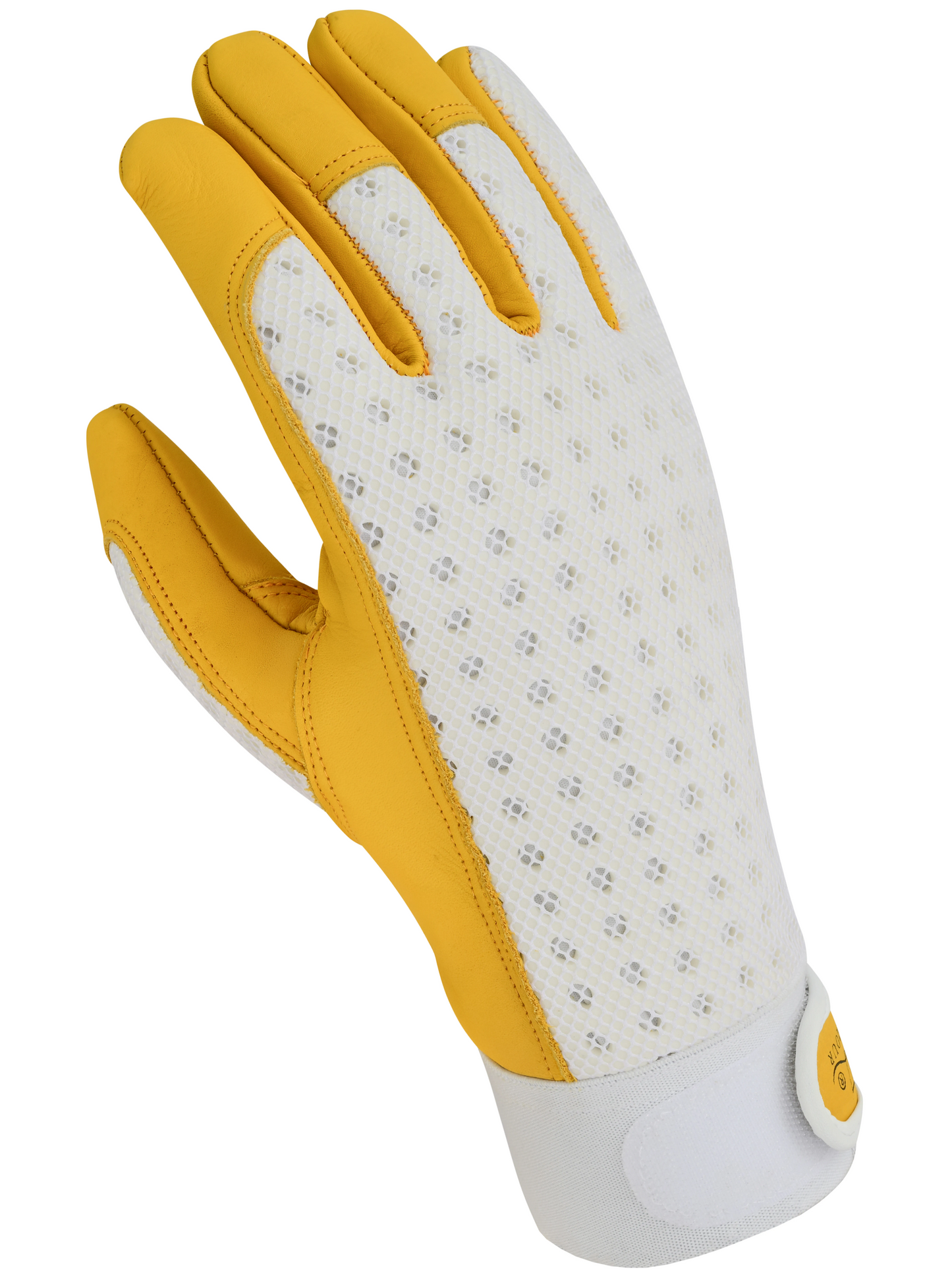
These OZ ARMOUR cowhide beekeeping gloves solve that. Genuine cowhide leather on the palm and fingers gives sting protection and grip through frames, and a ventilated mesh back panel keeps air moving so your hands don't turn into a sweaty mess an hour in. Short cuff, fast on and off, sizes XS to 4XL, the gloves you'll reach for every time you open a hive.
Why Cowhide Is Still the Right Choice
Synthetic gloves have their place, but cowhide has a genuine advantage resisting bee stings. The density and thickness of the leather deflects stingers that would push straight through thinner materials. It's also tough enough to handle rougher hive work, lifting boxes, scraping propolis, handling old frames, without wearing through after a season or two. It also breaks in well, moulding to your hands until it feels like a natural extension rather than equipment you're fighting against.
The Mesh Back: Why It Matters
Leather on the back of the hand just traps heat. The ventilated mesh panel lets hot air escape and cooler air flow in continuously, making a real difference working through multiple hives on a warm day. Beekeepers who switch from solid leather to ventilated gloves say they stay focused longer, not distracted by discomfort.
Short Cuff: The Right Choice for Most Inspections
Long cuff gloves give maximum forearm protection, useful for swarm collections or defensive colonies. For everyday inspections and frame handling, the short cuff is more practical, going on and off faster with better wrist mobility and no tangling with your jacket cuff. For occasional heavy work, a long extra strength version is worth having alongside these.
Sizes XS to 4XL: Actually Fits
Eight sizes from XS to 4XL means these gloves genuinely fit a wide range of hands. A glove that's too big is almost as frustrating as no glove at all, you lose feel and fine work becomes difficult. If unsure between sizes, size down rather than up, a slightly snug fit gives better control.
Who These Gloves Are For
Everyday working gloves for beekeepers who want reliable sting protection without sacrificing comfort or dexterity. They suit hobbyists who inspect weekly, sideliners in and out of hives through the season, and anyone who's found solid leather or rubber gloves too hot or clumsy to work in.
Specifications
- Brand: OZ ARMOUR, trusted globally since 2018
- Palm and fingers: Genuine cowhide leather, sting resistant and durable
- Back of hand: Ventilated mesh, continuous airflow for all day comfort
- Cuff length: Short, fast to put on and take off
- Sizes: XS, S, M, L, XL, XXL, 3XL, 4XL
- Best for: Regular hive inspections, frame handling, everyday beekeeping
What makes these OZ ARMOUR gloves different from regular leather beekeeping gloves?
These gloves pair genuine cowhide on the palm and fingers for sting protection and grip with a ventilated mesh back panel for continuous airflow. Unlike solid leather gloves that trap heat, this design keeps hands cool during long inspections.
Why is cowhide leather used instead of synthetic materials?
Cowhide's density and thickness deflects stingers that would push through thinner synthetics. It's tough enough for rough hive work, lifting boxes, scraping propolis, handling frames, without wearing out after a season, and it breaks in beautifully over time.
What is the benefit of the ventilated mesh back panel?
The mesh back panel lets hot air escape and cool air flow in continuously. Solid leather gloves trap heat and cause sweaty, uncomfortable hands that distract from careful hive work. Ventilated gloves help beekeepers stay focused for longer.
Should I choose short cuff or long cuff gloves?
Short cuff suits everyday inspections and frame handling, going on and off faster with better wrist mobility and no tangling. Long cuff suits swarm collections or very defensive colonies needing maximum forearm protection. Most beekeepers prefer short cuff.
What sizes are available and how do I choose the right fit?
Eight sizes are available: XS, S, M, L, XL, XXL, 3XL and 4XL. A glove that's too big reduces feel and control. If unsure between sizes, size down, a snug fit gives better dexterity and eases with use.
Are these gloves suitable for beginner beekeepers?
Yes. They suit hobbyists, beginners and sideliners who inspect hives regularly, offering reliable sting protection without sacrificing the comfort and dexterity needed for frame handling. Anyone who's found solid leather or rubber gloves too hot will notice the upgrade.
How do these gloves perform in hot Australian weather?
Very well. The ventilated mesh back directly addresses the main complaint with traditional leather gloves, overheating. Continuous airflow stops hands becoming soaked with sweat during mid summer inspections, so you can work through multiple hives without rushing.
Will the cowhide leather soften over time?
Yes. Out of the box it's firm and protective. After a few inspections it moulds to your hands and softens at the knuckles, feeling like a natural extension rather than bulky equipment, a big reason experienced beekeepers prefer cowhide.
What type of beekeeping work are these gloves best for?
Regular hive inspections, frame handling and everyday beekeeping tasks. They're the go to choice for dependable sting protection with the comfort and dexterity needed for careful hive work. Pair with long cuff gloves for heavy duty situations like swarm collection.
How durable are these gloves for long term use?
Very durable. The cowhide leather is chosen to withstand rough hive work, lifting heavy boxes, scraping propolis, handling frames untouched for a while, without wearing through after a season, built to last across multiple seasons of regular use.