Beekeeping Gear
Plastic Queen Cages | Safe Queen Introduction
Plastic Queen Cages | Safe Queen Introduction
Couldn't load pickup availability
The Easy, Reliable Way to Introduce a New Queen
Introducing a new queen is one of the most delicate operations in beekeeping. Drop her straight into the colony and workers often ball, sting, or reject her because she smells like a stranger. The solution is the queen introduction cage, a protected enclosure that holds her safely while workers adapt to her pheromones through the mesh. By release time, she's welcomed as their own.
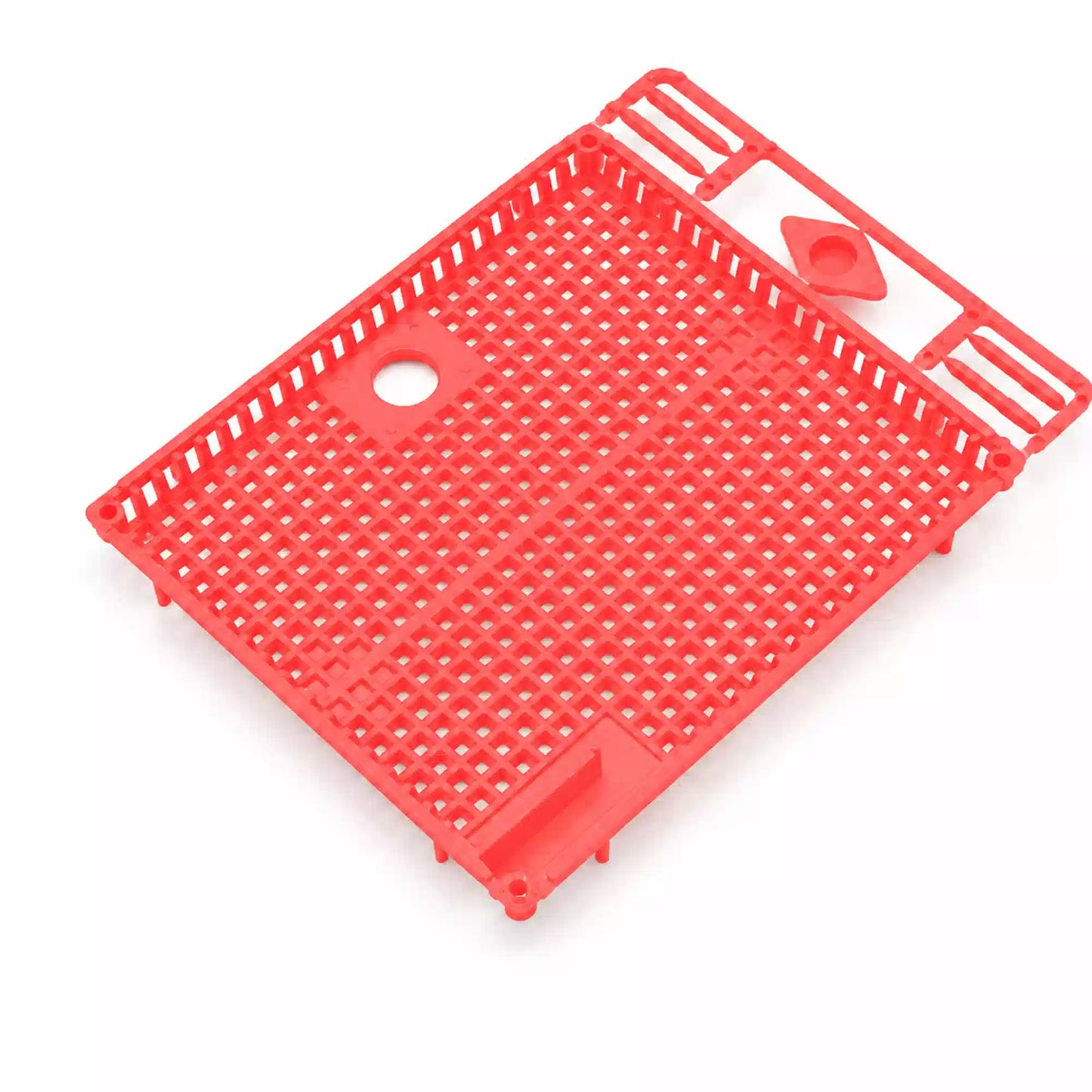
Our Plastic Queen Cages are made from durable, food-safe plastic with mesh ventilation, keeping the queen safe and calm during transport, introduction, and release. Bright colours make them easy to spot, and tough construction means they're reusable for years.
Why Do You Need a Queen Cage?
- Safe transport: keeps a purchased or shipped queen secure with attendants
- Gentle introduction: sits in the hive 3 to 7 days so workers accept her scent
- Temporary confinement: useful for brood breaks, hive work, or queen banking
Without a cage, colonies can reject and kill an unfamiliar queen within minutes.
How Does Queen Introduction Work?
Remove the old queen at least 24 hours before introducing the new one. Place her in the cage with attendants and a candy plug, then wedge the cage between two brood frames, mesh side accessible. Over 3 to 7 days, workers feed her through the mesh and learn her pheromones. Bees eat through the candy plug naturally, releasing her at the right moment. Inspect 7 to 10 days later to confirm she's laying and accepted.
Why Plastic Instead of Wooden Cages?
- Reusable, wash and reuse for years, unlike wood which warps or cracks
- Hygienic, smooth surfaces clean easily with no porous pathogen risk
- Lightweight and non-threatening to bees
- Better visibility to check the queen is alive and well
- Affordable, cheap enough to stock spares
When Will I Use a Queen Cage?
Common uses include buying a new queen, re-queening, splitting hives, brood breaks for varroa control (confining the queen for around 21 days), queen banking, and selective breeding.
How Long Should the Queen Stay Caged?
Typically 3 to 7 days, depending on queenless duration, season, colony temperament, and genetic similarity to the previous queen. The candy plug self-times release, giving 90%+ success rates compared to direct release.
How Do I Know If Introduction Was Successful?
Inspect 7 to 10 days after release. Look for eggs in cells, calm worker behaviour, attendants feeding her, and no emergency queen cells. If she's dead in the cage or workers react aggressively, wait another 24 to 48 hours queenless before retrying with a fresh queen.
How Do I Clean and Reuse the Cages?
Rinse with warm water to remove wax and propolis, scrub gently, rinse thoroughly, and air dry completely. Between different colonies, a brief soak in diluted vinegar (1:4 with water) removes residual pheromones.
Specifications
- Type: Plastic queen introduction and transport cage
- Material: Durable food-safe plastic
- Design: Mesh ventilation panels
- Colours: Bright colours, easy to spot in busy hives
- Pack sizes: 1 Pack (2 cages) or 5 Pack (10 cages)
- Reusable: Yes, for years
- Method: Candy plug or manual release
Why do I need a queen cage?
A queen cage protects a new queen during transport and introduction. Without one, colonies can reject or kill an unfamiliar queen within minutes.
How long should a queen stay in the cage?
Typically 3 to 7 days, depending on the colony's queenless duration, season, and temperament. The candy plug releases her at the right moment naturally.
How does the candy plug release work?
Workers slowly eat through the candy plug while adapting to the queen's pheromones. This self-timing method gives over 90 percent introduction success rates.
Are plastic cages better than wooden ones?
Yes, for most beekeepers. Plastic is reusable, hygienic, lightweight, and affordable, while wooden cages can warp, crack, or absorb wax over time.
How do I know if the queen was accepted?
Inspect 7 to 10 days after release. Eggs in cells, calm worker behaviour, and no emergency queen cells confirm successful acceptance.
What should I do if introduction fails?
If the queen is found dead or workers react aggressively, wait another 24 to 48 hours queenless before attempting introduction again with a fresh queen.
Can I reuse queen cages?
Yes, rinse with warm water, scrub gently, and air dry fully. Between different colonies, a brief diluted vinegar soak removes residual pheromones.
What else can queen cages be used for?
Besides introductions, they're used for re-queening, splitting hives, brood breaks during varroa treatment, queen banking, and selective breeding work.
Should I buy the 1-pack or 5-pack?
The 1-pack suits hobbyists doing a single re-queening. The 5-pack suits sideliners and breeders needing multiple cages across a season.
Do queen cages come with attendant bees?
The cage itself is empty. Attendants and a candy plug are added when caging your queen, typically supplied together when purchasing a queen bee.